
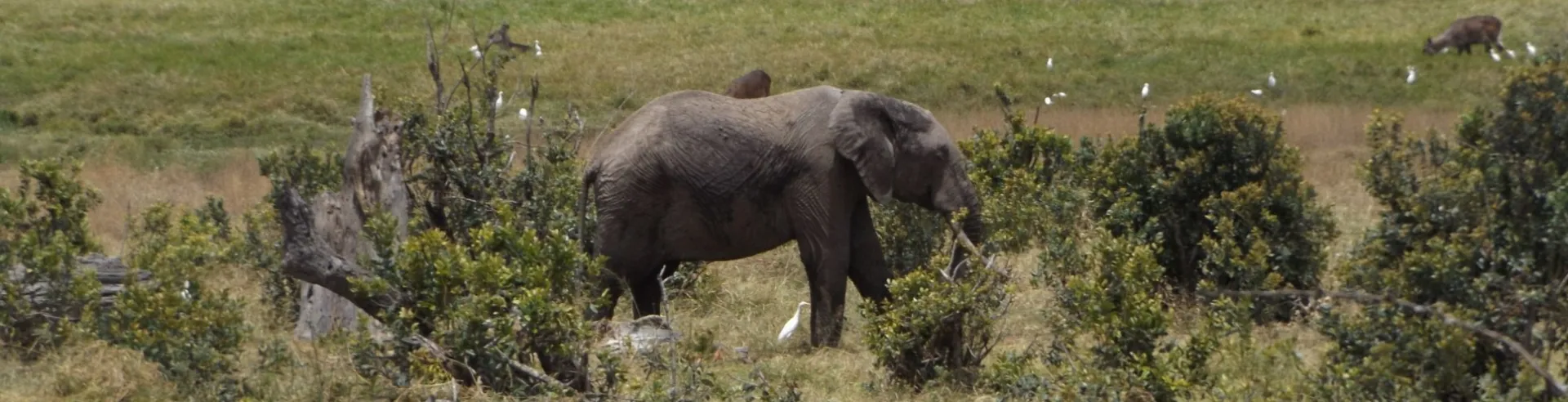
Featuring faculty member Andrés Bendesky.
E3B alum, and current RGGS student, Aless Vecino Gazabon, is on a recent paper making news.
Check it out here: Scientists reconstruct extinct ape’s damaged skull to better understand evolution of great ape face
Article: Pugh, Kelsey D. et al., The reconstructed cranium of Pierolapithecus and the evolution of the great ape face, Proceedings of the National Academy of Sciences (2023). DOI: 10.1073/pnas.2218778120.
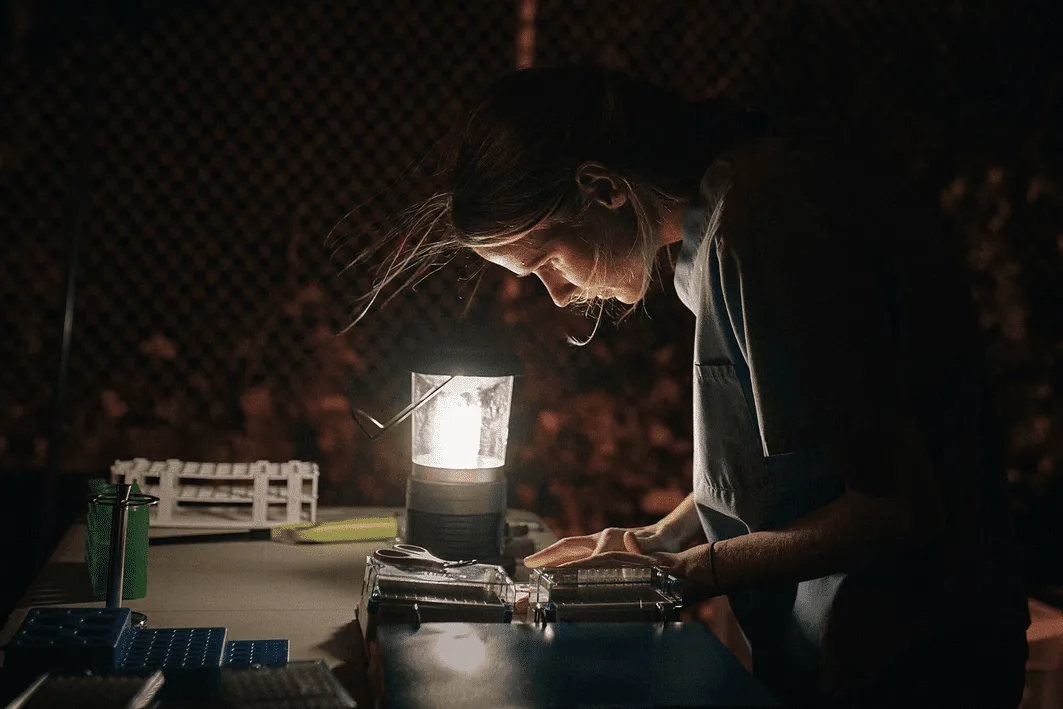
Featuring PhD student Aria Pereira and faculty members Kevin Griffin and Matt Palmer.
Featuring undergraduate student Hannah Jimenez.
Congratulations to E3B MA student Myles Davis who won 3rd place at the GSAS Master’s SynThesis competition!
Featuring faculty member Dustin Rubenstein.
E3B PhD student Marie Lilly from the Diuk-Wasser Eco-epidemiology Lab got to go on set of the Today Show yesterday morning and set up deer tick specimens that the lab collected for a segment about ticks and tick-borne disease! You can watch the full segment on ‘How to protect yourself — and your pets — during tick season’ HERE.
You can also check out the Tick App for more information about ticks and tick-borne disease, to report your tick encounters, and to help further Eco-epidemiology lab research efforts!
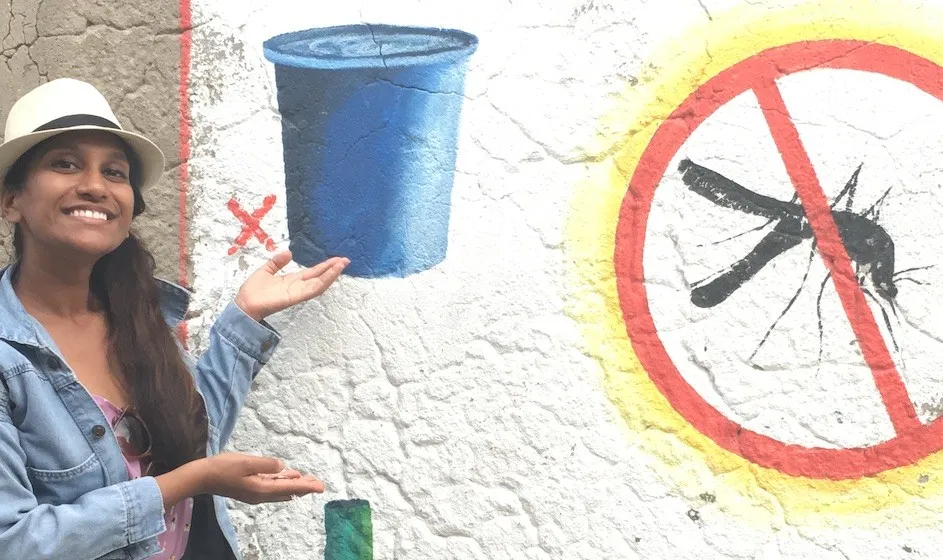
E3B PhD student Pallavi Kache was profiled for Columbia News in December!
To read more about Pallavi’s research on how cities can stop the proliferation of dangerous illnesses like dengue fever, click here:
Columbia News – Mosquitoes, Wild Pigs, and How Urban Planning Can Help Mitigate Disease