
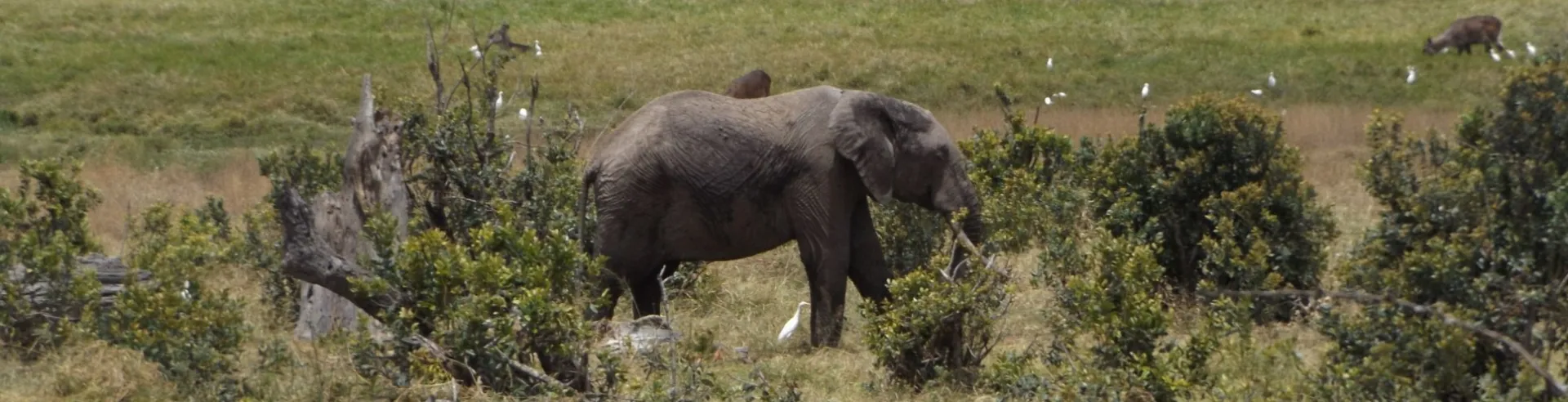
A new study by E3B PhD student Erich Eberhard was quoted in the Winter 2022-23 Columbia Magazine!
You can read ‘Can We Act Sooner to Save Endangered Species?‘ in the Columbia Magazine and Erich’s paper, both out now.
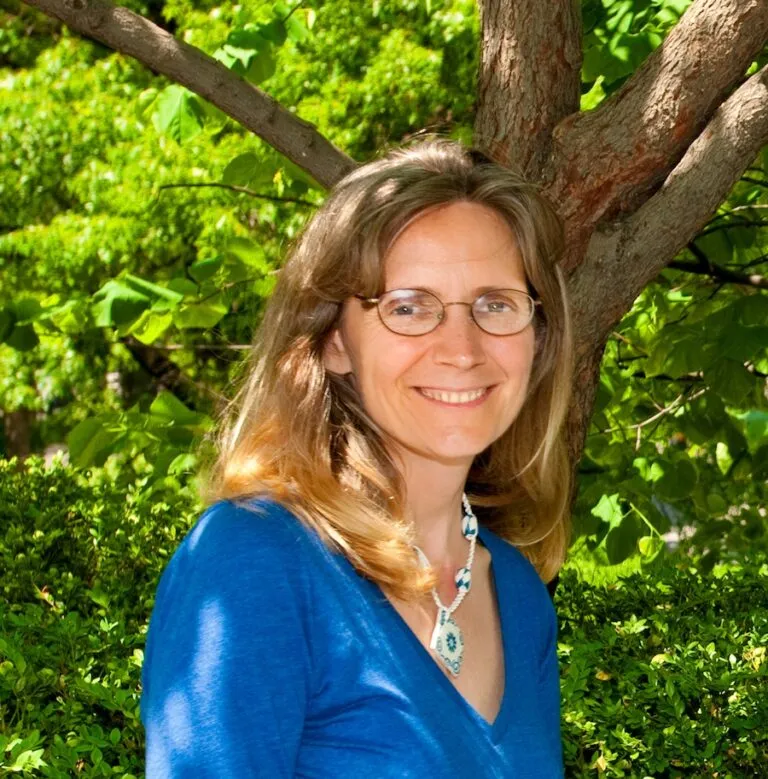
Eleanor Sterling, longtime colleague and beloved member of the E3B community, passed away on February 11.
Eleanor was one of the founding members of the E3B department, served as the Director of Graduate Studies for many years (2002-2012), and mentored and sponsored many students throughout E3B’s history. She was one of the strongest voices for E3B students and the program, and her scholarship and teaching served as models for how creative approaches to conservation biology, centered around the principle of biocultural pluralism, can be a powerful and effective way to understand people, nature,…
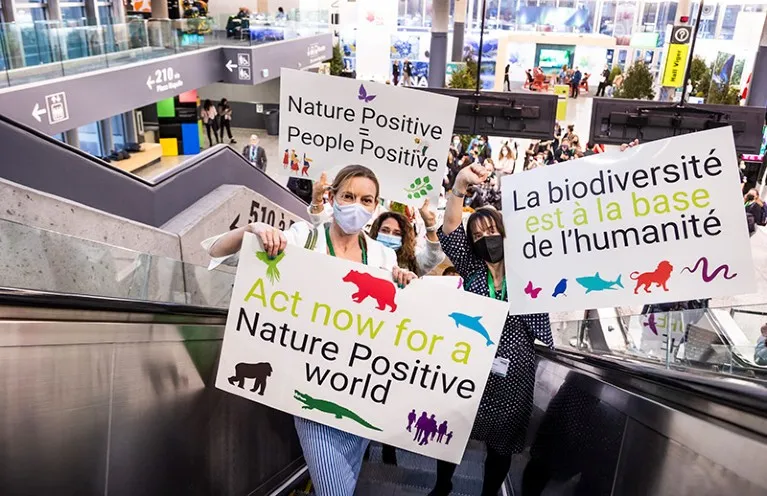
E3B Chair, Shahid Naeem, was quoted in a Nature story on biodiversity crisis! The article called, “Can the world save a million species from extinction?” can be found here: https://www.nature.com/articles/d41586-022-04370-4

E3B MA student Emma Lauterbach was tasked by Professor Claudia Dreifus to "write a letter to the editor and send it off."
Emma did that and it was published in the New York Times!
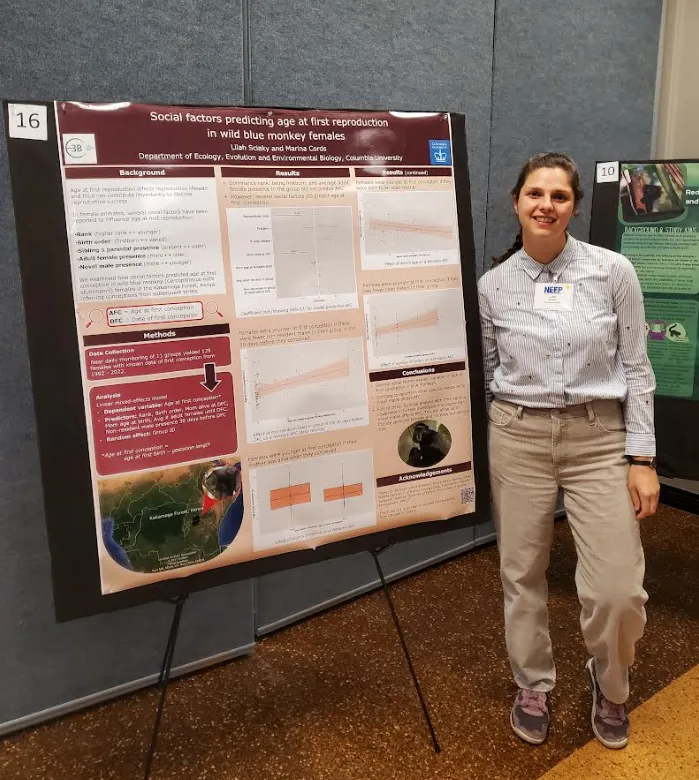
Congratulations to MA student Lilah Sciaky, who won the “best poster” award at the 2022 NEEP (Northeastern Evolutionary Primatology) meeting!
From Lilah:
I examined how social factors predicted age at first conception in 128 wild blue monkey (Cercopithecus mitis stuhlmanni) females in the Kakamega Forest, Kenya.
Females that experienced enhanced presence of novel males in the 30 days before first conception and those that had more older sisters in the group at first conception conceived at an older age. Females whose mothers were older at the time of their own birth and whose mothers…
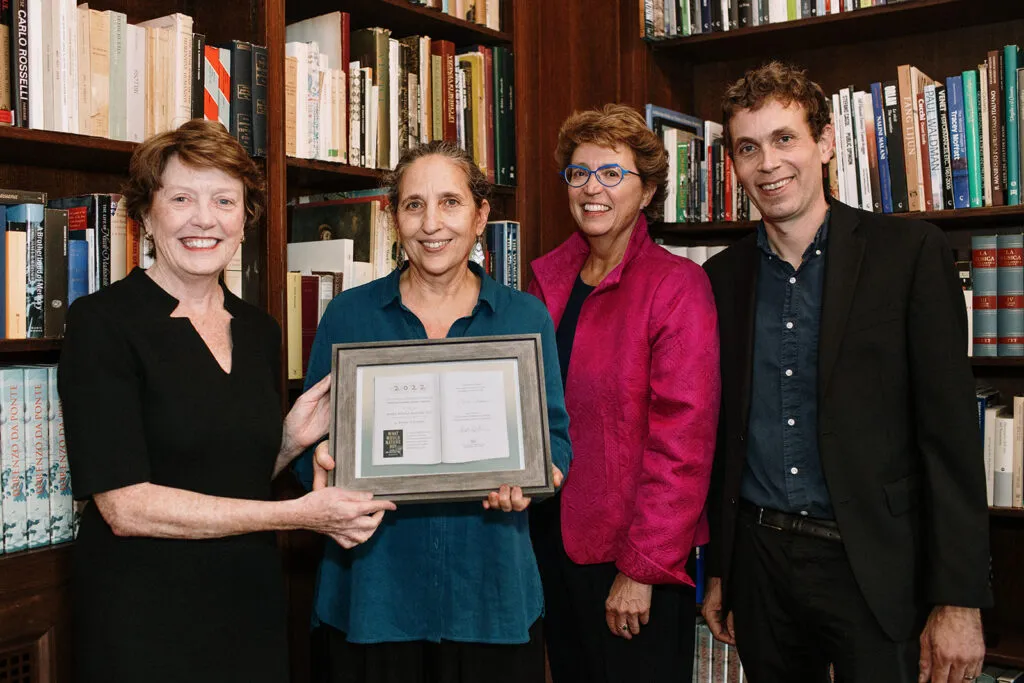
Congratulations to E3B Professor Ruth DeFries on winning the Columbia University Press Distinguished Book Award!!
Columbia University Press, in conjunction with the Office of the Provost, is pleased to announce that What Would Nature Do? A Guide for Our Uncertain Times by Ruth DeFries is the winner of the eighth annual Columbia University Press Distinguished Book Award.
Ruth DeFries is a Co-Founding Dean of the Columbia Climate School; University Professor; and Denning Family Professor of Sustainable Development in the Department of Ecology, Evolution and Environmental Biology.
The…
Featuring PhD student Laura Plimpton and Lab Manager Richie Konowal.

Congratulations to E3B’s very own Professor Matthew Palmer for being selected as one of the recipients of the 2022 Presidential Award for Outstanding Teaching!
Dr. Palmer teaches and advises students in several programs, including E3B’s undergraduate, postbaccalaureate, and graduate programs and in the Environmental Science and Policy program in the School of International and Public Affairs (SIPA). He teaches courses in botany, forest ecology, urban ecology, herpetology, and research methods, often with extensive field and laboratory components. His research includes measuring ecosystem…
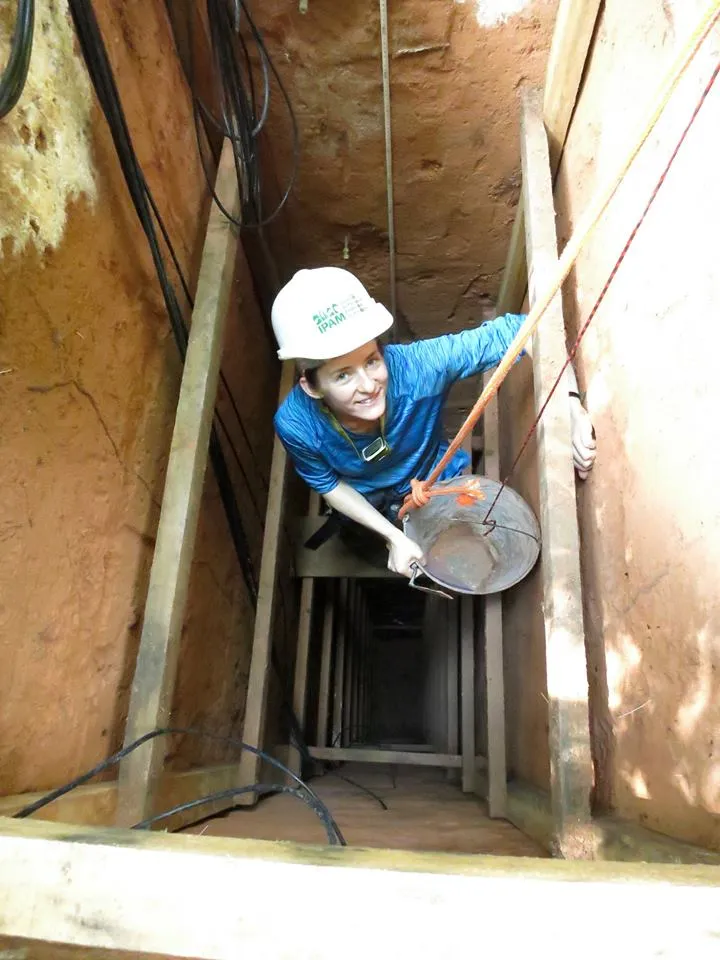
The E3B department is delighted to announce that Dr. Alexandra Huddell has won the 2022 Don Jay Melnick Award!
Named in honor of one of the founders of our department, the Melnick Award recognizes outstanding dissertation work and other departmental activities.
Alex’s dissertation focused on how agricultural frontiers influence losses of nitrogen. Conventional agricultural practices in Europe, North America, and Asia lead to large nitrogen losses that cause dead zones, smog, and greenhouse warming. Agriculture is expanding along climate…
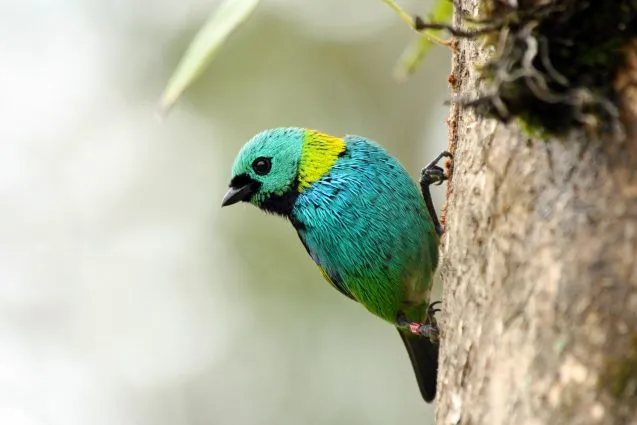
Check it out: A piece in the State of the Planet from the Columbia Climate School details the work of E3B PhD student Pedro Ribeiro Piffer.
You can read about his work on new deforestation in regenerating areas challenging restoration efforts in the Atlantic Forest here: https://news.climate.columbia.edu/2022/03/18/regrown-tropical-forests-may-have-short-lifespans-says-new-study/
You can also read about this work in the Portuguese edition that was published in Brazil:
Novos desmatamentos de áreas em regeneração desafiam esforços de restauração na Mata Atlântica – Agência BORI
Featuring faculty member Shahid Naeem.
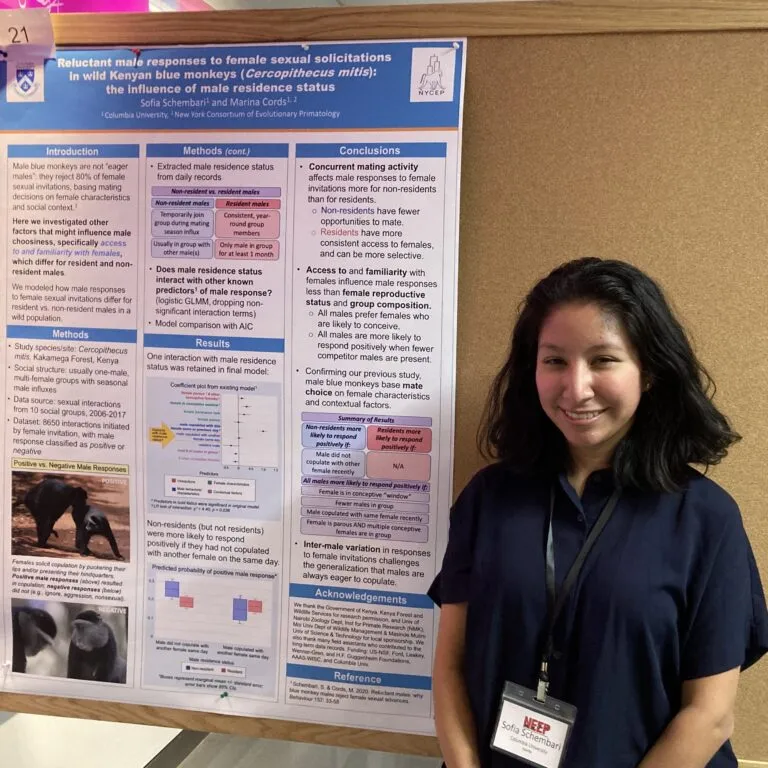
Congratulations to the E3B students won prizes at the NEEP (Northeastern Evolutionary Primatologists) meeting at Boston University!
MA student Lilah Sciaky won runner-up for best podium presentation, EBHS alumna Sofia Schembari (pictured) won runner up for best poster, and PhD student Amanda Johnson received an honorable mention for her poster.